
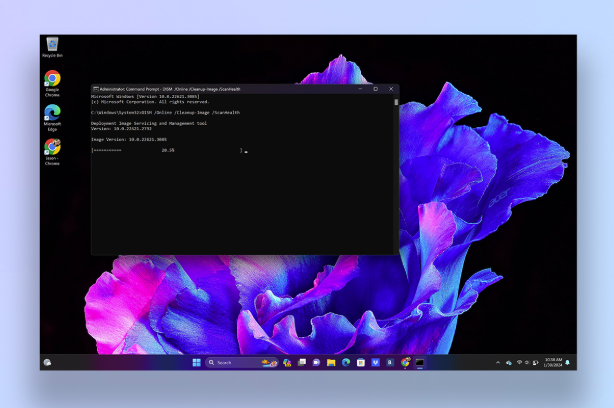
If your Windows PC is slow, crashing, or showing strange errors, you might need a simple and powerful tool called dism /online /cleanup-image /restorehealth. This tool helps your computer repair damaged system files and keeps it running smoothly. Many users do not know about it, but it is already built into Windows, so you do not need to download anything extra. Using this command can fix problems that other tools cannot solve. It scans your system image and replaces corrupted files with healthy ones from Microsoft servers. This simple command can save you a lot of time and hassle compared to reinstalling Windows or losing your files. With a few easy steps, you can make your PC healthier, faster, and more reliable.
Learning how to use dism /online /cleanup-image /restorehealth is easier than it sounds, even for beginners. First, you need to open Command Prompt as an administrator. Then, type the command carefully and let it run. The process can take some time depending on your computer’s health, but it works in the background without interrupting your work. After it finishes, your system will be checked and repaired automatically. Many common problems like missing updates, system crashes, or apps not opening properly can be fixed after using this command. You do not need extra tools. Just this one command can restore your Windows system to its proper state, making it more stable and ready for daily use.

What is dism /online /cleanup-image /restorehealth
The dism /online /cleanup-image /restorehealth command is a built-in Windows tool that fixes system files and repairs Windows images. DISM stands for Deployment Image Servicing and Management. It is used by Microsoft to maintain and repair Windows operating systems. When Windows files get corrupted or broken, your computer may face errors, slow performance, or failed updates. Running this command checks your system image for problems and fixes them automatically by downloading healthy copies from Microsoft servers. It is one of the most powerful tools for maintaining your computer’s health without reinstalling Windows.
How to Open Command Prompt for dism /online /cleanup-image /restorehealth
Before running the command, you need to open Command Prompt as an administrator. Here’s how:
- Press the Windows key on your keyboard.
- Type cmd in the search bar.
- Right-click on Command Prompt and select Run as administrator.
This is very important because the command needs admin rights to fix system files. If you open it without admin access, the command may not work and give an error. Once opened, you are ready to type the dism /online /cleanup-image /restorehealth command.
Step-by-Step Guide to Run dism /online /cleanup-image /restorehealth
Running dism /online /cleanup-image /restorehealth is simple:
- Open Command Prompt as administrator.
- Type: dism /online /cleanup-image /restorehealth
- Press Enter.
- Wait patiently. The process can take 10–30 minutes or longer depending on your system.
During this process, Windows will check for damaged or missing system files and automatically repair them. You will see messages like “Checking system health” and “Repairing image”. Do not close Command Prompt during the repair. Once completed, you will see a message that the operation finished successfully.
Common Errors While Using dism /online /cleanup-image /restorehealth and Fixes
Sometimes, users face errors while running this command. The most common errors include:
- Error 87: Usually happens if the command is typed incorrectly. Always type dism /online /cleanup-image /restorehealth exactly as shown.
- Error 0x800f081f: Means Windows could not find required files to repair the system. Fix this by connecting to the internet and trying again.
- Running on Offline Image: Make sure you are using the /online option for your current Windows installation.
Most errors are easy to fix. Carefully typing the command and having a stable internet connection solves 90% of the issues.
How dism /online /cleanup-image /restorehealth Repairs Windows System Files
DISM works in three main steps:
- Scan: It checks all system files for damage.
- Compare: It looks for files that are corrupted or missing.
- Repair: It downloads healthy files from Microsoft servers and replaces the damaged ones.
After the process, your system will have all the essential files restored to proper working condition. This prevents crashes, app errors, and failed Windows updates.
How Long Does dism /online /cleanup-image /restorehealth Take
The process time depends on your computer’s condition. If you have minor corruption, it may take 10–15 minutes. For major corruption, it can take up to 30–60 minutes. During this time, Windows works silently in the background. You do not need to do anything else. Patience is key because interrupting the process can cause incomplete repairs.
Differences Between SFC and dism /online /cleanup-image /restorehealth
Many users confuse SFC (System File Checker) and DISM. Here’s the difference:
- SFC scans and repairs system files from the local cache.
- DISM can repair the Windows image itself by downloading fresh files from Microsoft servers.
In short, DISM is more powerful and fixes deeper issues that SFC alone cannot handle. It is often recommended to run SFC after DISM for complete system repair.
Best Practices Before Running dism /online /cleanup-image /restorehealth
Before running the command, follow these tips:
- Make sure your internet connection is stable.
- Close all apps and save your work.
- Run Command Prompt as Administrator.
- Backup important files, just in case.
Following these steps ensures that the repair process is smooth and successful.
Troubleshooting Problems After Running dism /online /cleanup-image /restorehealth
After running DISM, you may still face issues if:
- Windows updates are pending. Install all updates first.
- The system has severe corruption. You may need to run the command multiple times.
- Your PC has malware. Run antivirus scans before using DISM.
Most users find that running DISM once fixes the majority of system problems.
How to Check if dism /online /cleanup-image /restorehealth Worked Successfully
After running the command, you can check the log file:
- Go to C:\Windows\Logs\DISM\dism.log
- Open the log file and look for “The operation completed successfully”
If you see this message, your system has been repaired successfully.
Advanced Tips to Use dism /online /cleanup-image /restorehealth Safely
- Run the command in Safe Mode for stubborn errors.
- Combine with SFC /scannow for extra protection.
- Avoid running DISM while Windows updates are installing.
Following these tips keeps your system healthy and prevents further damage.
Conclusion
The dism /online /cleanup-image /restorehealth command is one of the best tools for keeping your Windows PC healthy. It repairs damaged system files, restores missing files, and fixes errors without reinstalling Windows. Even beginners can use it easily with a few simple steps. Using this tool can save time, prevent crashes, and make your computer faster and more reliable. Remember to always run it with administrator rights, be patient, and follow the best practices to ensure smooth repairs.
FAQs
Q1: Is dism /online /cleanup-image /restorehealth safe to use?
Yes, it is safe. It is a built-in Windows tool designed by Microsoft for repairing system files.
Q2: Can DISM fix all Windows problems?
It fixes system file and image problems, but it may not fix hardware issues or malware infections.
Q3: Do I need internet to run dism /online /cleanup-image /restorehealth?
Yes, a stable internet connection is recommended because DISM may download healthy files from Microsoft servers.
