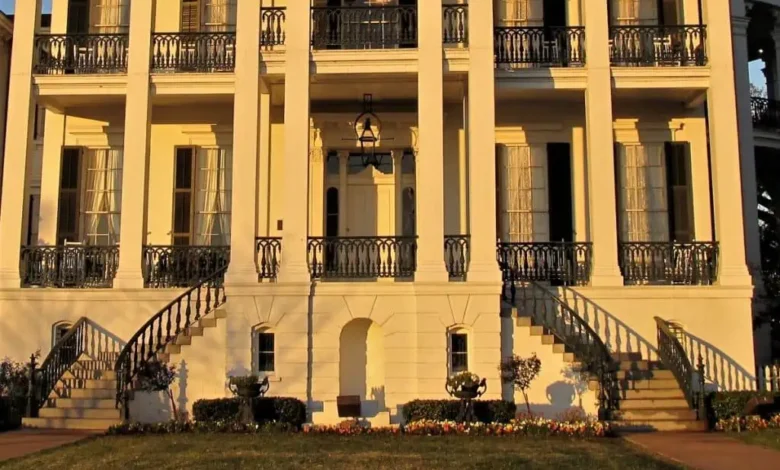
Nottoway Plantation is one of the most famous historic homes in the Southern United States. Known for its stunning architecture, rich history, and cultural significance, it attracts thousands of visitors every year. Located in White Castle, Louisiana, the plantation has been standing since 1859 and is often called the “White Castle of the South” because of its grand size and elegance.
The story of Nottoway Plantation is not only about beauty and luxury but also about the realities of life in the 19th century. It reflects both the wealth of plantation owners and the difficult lives of the enslaved people who built and worked on the property. Today, Nottoway serves as a historical landmark, a hotel, and a wedding venue, offering visitors the chance to experience Southern history and hospitality.

The Origins of Nottoway Plantation
Nottoway Plantation was built by John Hampden Randolph, a wealthy sugarcane planter, in the mid-19th century. He wanted to create a home that reflected his success and social standing. Construction began in 1855 and was completed in 1859.
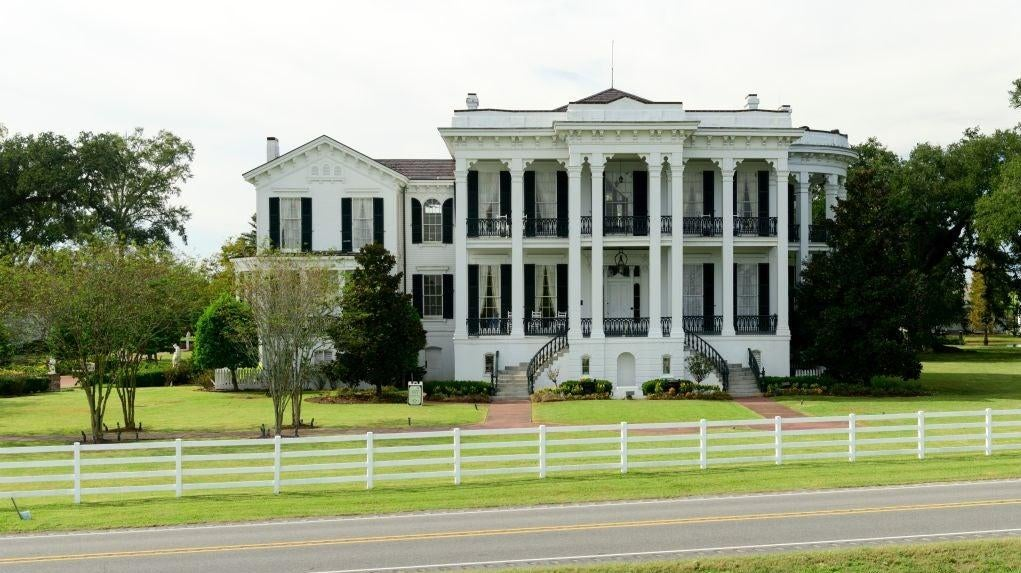
The mansion was designed by Henry Howard, a famous New Orleans architect, who gave it a blend of Greek Revival and Italianate architectural styles. The result was a magnificent house with 64 rooms, 22 massive exterior columns, and more than 15,000 square feet of living space. At the time, it was considered the largest plantation house in the South.
Randolph lived in the mansion with his wife Emily and their 11 children. The family used the home as both a private residence and a place to entertain guests. However, like many plantations of the era, Nottoway relied heavily on enslaved labor for its sugarcane production and household upkeep.
Architectural Grandeur of the Mansion
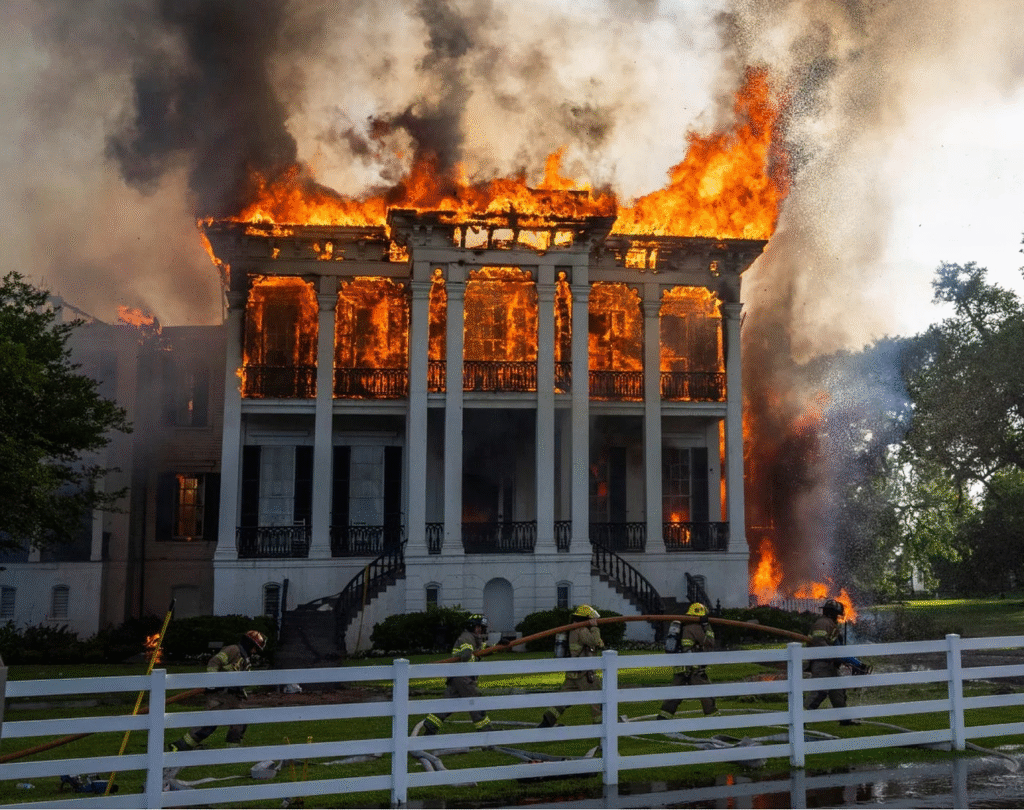
One of the main reasons people visit Nottoway Plantation today is to admire its remarkable architecture. The exterior is painted white, which gives it a striking and elegant appearance. The columns and balconies add to its grandeur, making it look almost like a palace.
Inside, the house features marble mantels, hand-carved woodwork, grand ballrooms, and crystal chandeliers. The most famous room is the White Ballroom, decorated in all white with gold accents. This room was designed for lavish parties and has become one of the highlights of the mansion tour.
Many of the furnishings inside the mansion were imported from Europe, showcasing the wealth of the Randolph family. Even after more than 160 years, much of the house’s beauty has been preserved for visitors to enjoy.
Life at Nottoway in the 19th Century
While the mansion symbolized wealth and luxury for the Randolph family, life on the plantation was very different for the enslaved people. Hundreds of enslaved men, women, and children worked on the sugarcane fields and performed domestic duties inside the home. Their labor was the foundation of the plantation’s success.
The Civil War deeply affected Nottoway. Although the mansion was not destroyed, the war disrupted plantation life and weakened the economy. After the abolition of slavery, the Randolph family faced challenges in keeping the plantation running. This shift marked the decline of the plantation system across the South.
Nottoway During and After the Civil War
Nottoway Plantation stood through the Civil War, though the conflict brought hardships to the Randolph family. Union soldiers passed through the area, but unlike some plantations, the Nottoway mansion was not burned or destroyed. It is believed that the beauty of the home impressed the soldiers, sparing it from destruction.
After the war, maintaining the plantation became difficult. Without enslaved labor, the Randolph family and other plantation owners had to find new ways to keep their businesses alive. Eventually, the Randolphs left Nottoway, and the mansion changed ownership several times over the years.
Nottoway Plantation in Modern Times
Today, Nottoway Plantation is more than just a historic home—it is a popular tourist attraction. The property has been restored and now serves as a luxury hotel and event venue. Visitors can take guided tours of the mansion, stay overnight in beautifully decorated rooms, or attend weddings and special events hosted on the grounds.
The plantation also offers museums and exhibits that explain its history, including the stories of enslaved people who lived and worked there. This allows visitors to learn about both the beauty and the painful realities of plantation life.
Weddings and Events at Nottoway
Nottoway is one of the most sought-after wedding destinations in Louisiana. The picturesque setting, historic mansion, and lush gardens provide a romantic backdrop for ceremonies and receptions. The White Ballroom, with its elegant design, is often chosen for indoor weddings, while the outdoor gardens make for perfect photography spots.
In addition to weddings, Nottoway hosts corporate events, parties, and historical tours. Its unique mix of history and modern luxury makes it an attractive venue for a wide range of events.
Visiting Nottoway Plantation
If you plan to visit Nottoway Plantation, you can expect an immersive experience. Guided tours provide insights into the history of the home, its architecture, and the Randolph family’s story. The grounds include beautiful oak trees, gardens, and views of the Mississippi River.
The plantation hotel offers guests the chance to stay in historic rooms inside the mansion or in modern accommodations nearby. Dining options are also available, where visitors can enjoy Southern cuisine in a historic setting.
Cultural and Historical Importance
Nottoway Plantation is important because it preserves a significant part of Southern history. It represents both the elegance of plantation life for wealthy families and the harsh reality of slavery. Visiting Nottoway allows people to reflect on this complex history and understand how the past has shaped the present.
The plantation is listed on the National Register of Historic Places and continues to be a valuable site for education, tourism, and cultural preservation.
Conclusion
Nottoway Plantation is more than just a historic mansion—it is a window into the past. Its grand architecture, rich history, and cultural significance make it one of the most important landmarks in Louisiana. At the same time, it reminds us of the struggles of enslaved people whose labor made such wealth possible.
Today, Nottoway serves as both a place of beauty and learning. Whether you visit for a tour, a wedding, or an overnight stay, the plantation offers an unforgettable experience that blends history, architecture, and Southern charm.
FAQs
Q1: Where is Nottoway Plantation located?
Nottoway Plantation is located in White Castle, Louisiana, near the Mississippi River between Baton Rouge and New Orleans.
Q2: Who built Nottoway Plantation?
It was built by John Hampden Randolph, a wealthy sugarcane planter, in 1859.
Q3: How big is the Nottoway mansion?
The mansion has 64 rooms, 22 massive exterior columns, and more than 15,000 square feet of space, making it the largest surviving antebellum mansion in the South.
Q4: Can visitors stay at Nottoway Plantation?
Yes, Nottoway operates as a hotel, offering both historic rooms inside the mansion and modern accommodations.
Q5: Why is Nottoway Plantation historically significant?
It showcases the grandeur of plantation life while also preserving the history of enslaved people who worked there. It provides an educational look into the complex history of the American South.