
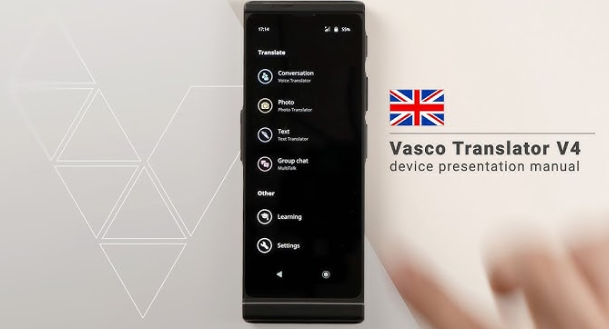
Understanding and using a traductor efficiently can transform communication across languages. Whether you travel, study, or manage a global business, accurate translation matters. Therefore, choosing the right tool helps remove language barriers quickly. In this guide, you will learn how traductor platforms work, their types, benefits, AI features, and how to use them like a pro.
How a Traductor Works and Why Accuracy Matters
A traductor converts words, text, or voice from one language to another. It uses linguistic databases, grammar rules, and AI-powered algorithms. As a result, translations appear within seconds. However, accuracy depends on context, sentence structure, and cultural meaning. Consequently, selecting a reliable tool ensures clear communication.
Types of Traductor Tools You Should Know
Different users need different kinds of translation tools. First, text traductors help with daily messages, web content, and study materials. Meanwhile, voice traductors support live conversations during travel or meetings. Moreover, image traductors scan photos or documents and convert printed words. Each type serves unique needs and makes translation more convenient.
Benefits of Using a Modern Traductor
Using a traductor saves time, money, and effort. Additionally, it helps users understand foreign content instantly. Businesses use it for emails, product descriptions, and customer support. Students rely on it for assignments and research. Furthermore, travelers use it to communicate in new countries. Quick access to multiple languages improves global interactions.
AI-Powered Traductor vs Traditional Translation
Artificial intelligence changed how traductors function. Traditional translation relied on manual work and language experts. Now, AI-powered systems learn from millions of sentences and improve daily. Therefore, they provide faster and smarter results. Even so, human translators still play a key role when emotion, tone, or legal accuracy is required.
Key Features to Look for in a Good Traductor
Before choosing a tool, focus on features that enhance translation quality. A strong traductor includes:
- Real-time translation speed
- Voice-to-text and text-to-speech functions
- Offline translation support
- Grammar correction and contextual meaning
- Multilingual dictionary access
Additionally, look for tools with AI feedback that improves future translations.
Traductor for Businesses and Professional Use
Companies must communicate with clients and partners across borders. Hence, a traductor helps translate contracts, presentations, and customer chats. Furthermore, accurate translation builds brand trust and avoids misunderstandings. Professional platforms also include security, data encryption, and industry-specific vocabulary, which ensures reliable results.
Traductor for Students and Travelers
Students use traductor tools for essays, notes, and foreign books. They gain confidence while learning new languages. Meanwhile, travelers depend on instant translation during hotel check-ins, food orders, and directions. Additionally, mobile traductors offer voice and offline features, making language support available anywhere.
Common Mistakes People Make When Using a Traductor
Many users copy long paragraphs and expect perfect language output. However, complex sentences often confuse translation engines. Instead, use short, clear sentences. Additionally, check grammar and cultural context before sharing translated content. Blind trust in automatic tools may lead to incorrect or awkward expressions.
How to Improve Translation Results with Smart Techniques
You can enhance accuracy by following simple steps. First, write clear sentences with proper punctuation. Next, review translated text and adjust tone if necessary. Also, avoid slang, idioms, or sarcasm, as these create confusion in translation. This method results in clearer and more natural communication.
Future of Traductor Technology
Advancements in artificial intelligence, machine learning, and neural networks are shaping translation technology. Soon, traductors will deliver near-human accuracy with emotional understanding. Moreover, wearable devices and smart glasses may include live translation. As development continues, language barriers will become smaller and easier to overcome.
Is a Traductor Always Correct? Understanding Limitations
A traductor offers quick help but may not always capture cultural depth or tone. Technical, legal, and medical terms require expert review. Additionally, emotions, humor, or poetry lose meaning when directly translated. Therefore, combining AI translation with human editing produces the best results.
Practical Tips for Selecting the Best Traductor
Consider your needs before choosing any translation tool. Look for speed, accuracy, security, offline access, and language support. Additionally, check user reviews and available AI features. If you work professionally, choose a traductor with industry-specific glossaries and secure data storage.
Conclusion
Language should never stop you from learning, traveling, or growing a business. Using a traductor empowers you to connect with the world confidently. So, explore the right tool, test its features, and start translating today. Take action now and make global communication effortless.
FAQs
1. What is a traductor?
A traductor is a tool or software that translates text, voice, or images from one language to another using linguistic data and AI.
2. Can a traductor work offline?
Yes, many traductor apps offer offline dictionaries and translation packs for use without internet access.
3. Is a traductor better than a human translator?
For quick tasks, a traductor is faster. However, human translators provide higher accuracy for emotional, legal, or creative work.
4. Which languages can a traductor translate?
Most tools support popular languages like English, Spanish, French, German, and many more, depending on the platform.
5. How can I get better translation results?
Use short sentences, correct grammar, and review translated text. Avoid slang or cultural expressions that may confuse AI tools.
